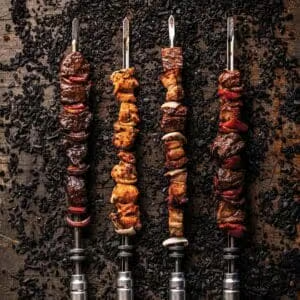
Few things go together as well as pork belly and fire. The decadent layers of fat slowly render into the meat, basting it within, dripping onto hot coals and creating that tantalising aroma that turns heads. It’s the kind of meat that embodies our identity at Hunter & Barrel: simple, primordial, and delicious.
At Hunter & Barrel, that philosophy sits at the centre of everything we do, whether it be larger cuts of meat or our famous range of charcoal grilled skewers; our open fires are always roaring hot. We feel we’ve perfected our pork belly skewers, but mastering them at home is simple when following this guide.
We’ll walk you through how to cook pork belly skewers, from selecting the right pork to the key steps to prepare it properly, and how to cook with fire to achieve that crispy exterior and superbly juicy inside.
Selecting and Prepping Your Pork Belly
Pork belly is so perfect for skewers that it almost feels tailored. Its layers of meat and fat allow rendered fat to melt into the meat instead of onto the fire, keeping everything flavourful and moist. When imbued with the scent of smoke, it’s taken to a completely new height.
For skewers, look for skinless pork belly. The rind likely won’t cook properly over the fire, so it’s best to discard it. If you can’t find it skinless, simply remove the skin at home, and save it for some delicious crackling or stock. Additionally, try to look for a pork belly at least 3cm thick. That way, you don’t risk it drying out.
Cut the pork belly into uniform cubes about 3–4cm thick. This is a good in-between for skewering. It ensures the inside stays juicy and cooked through before the outside burns.
If you have metal skewers, use those. They’re sturdier and conduct heat throughout the meat, cooking it from the inside. If you only have wooden or bamboo ones, make sure to soak them in water for 30 minutes to prevent them from catching fire. Skewer the meat carefully, inserting the skewers as close to the centre as possible, and ensuring each piece is just touching.
Flavour and Marination
Pork belly is a rich, fatty cut, and it prefers flavours that contrast it rather than enhance its richness.
Citrus, like orange, lemon, lime or even grated green apple, can add a nice sweetness and acidity, while ground spices like paprika, cumin, coriander, and chilli are common too. Other enhancements, such as fresh garlic and ginger, soy sauce, fish sauce and mustard work well here, depending on the style you want to go for. For more information on pork belly marinade ideas, you can check out our full guide here.
Pork belly benefits from slightly longer marination time compared to meats like chicken or fish. We recommend a minimum of 4 hours, but preferably overnight, for maximum flavour penetration.
Pork belly also loves a glaze, and leftover marinade is the perfect thing to use. Before adding your pork to the marinade, reserve a few tablespoons to brush on during cooking.

How to Cook Pork Belly Skewers on the BBQ
Heat control is crucial when cooking pork belly skewers. Instead of getting a sear, it’s more important to render the fat first, otherwise the finished result will be chewy. Set up a direct and indirect heat zone, and start by laying your skewers over the indirect heat, allowing them to slowly heat up and release their fat.
Turn them every minute or so, and once the fat looks glossy and translucent, slide them over to the direct heat. Watch them carefully, and turn them frequently. Remember, the skewers are 80–90% cooked; the goal here is to let the exterior crisp up. Once they’ve got some nice colour, brush on the reserved marinade and cook for a couple of minutes until it’s sticky, deeply caramelised and smells incredible.
How Long to Cook Pork Skewers on the BBQ
If you’re wondering how long to cook pork skewers on the bbq or over charcoal, the general rule is about 8–12 minutes for 3–4cm pieces, depending on the strength of your fire.
The majority of that time (the first 5–8 minutes) should be over indirect heat. Gradually increase the temperature of the meat and allow the fat to properly render. The final 3–5 minutes should be about getting a great sear.
It’s best to use a meat thermometer if you have one. Pork belly skewers need to be at least 75°C, but it’s even tastier at higher temperatures, about 82-90°C, where the fat is nicely rendered and not chewy at all.
Serving the Tribe
Skewers are the perfect food for sharing. Arrange them haphazardly on a board, stack them to keep them warm, and serve them with simple but delicious accompaniments.
Apple works wonderfully with pork. Try it with apple sauce, coleslaw or even thinly sliced green apples. Dipping sauces, such as a wholegrain mustard mayo or a tangy yoghurt-based sauce, work perfectly with most styles of pork.
For drinks, contrast is king. Pork’s richness suits crisp white wines and light, fruity ales. In reality, these pork skewers will be so good they’ll go with just about anything.
A Taste of the Hunter, Without the Work
Cooking pork belly over fire at home certainly takes more effort than using a stovetop, but the result is well worth it. But if you don’t feel like cooking at all, we’ve refined our pork belly at Hunter & Barrel to something we consider perfection.
In our open kitchens, the tantalising scent of pork fat dripping onto hot charcoal wafts through the restaurant. We cook our range of pork, chicken, lamb, and Wagyu skewers over hot coals, served hot and made for sharing.
Book your table at Hunter & Barrel and enjoy our signature skewered menu, cooked over fire and prepared by experts.