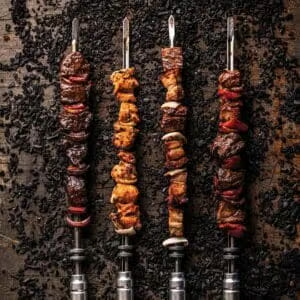
Wagyu, A word synonymous with elegance and prestige, is the cream of the crop when it comes to beef, and it certainly lives up to its name. Where other breeds rely on marinades, seasoning, and slow cooking, Wagyu sits in a different realm entirely. When cooked as skewers, Wagyu delivers a mouthwatering taste, buttery texture, and rich notes of smoke, umami, and intense beefy flavour.
They’re the premium option for skewers, and this guide covers everything you need to know about preparing this outstanding variety of beef properly. We’ll cover why Wagyu needs to be treated differently, and how to cook Wagyu skewers to get your money’s worth.
Understanding Wagyu Beef for Skewers
The main reason Wagyu is such a prized meat is due to its heavy intramuscular fat. Unlike a fat cap, the marbling melts right into the meat, evenly dispersing throughout the entire cut, effectively basting the meat from within. This results in a tenderness that you simply can’t achieve from lower-grade beef.
Why Wagyu Works Perfectly for Skewers
This quality makes it perfect for skewers. It can handle high heat, cooks fast, needs minimal seasoning, and absorbs the smokiness from charcoal and gas grills. The main focus is temperature control, as Wagyu is far less forgiving when it comes to overcooking.
Choosing the Best Wagyu Cuts for Skewer Recipes
While Wagyu is incredibly tender, there are some cuts that suit skewer cooking more than others. Ribeye is the most popular option for its beefy flavour, but cuts like sirloin or chuck can work well too. Look for an evenly thick steak with consistent marbling right through the meat. If you’re not sure, explain to your butcher what you’re making and ask what they recommend.
Preparing Wagyu for Skewers
Preparation should be careful and deliberate. Preserving the structure of the meat is important, which is why it’s best to look for an evenly thick piece. Keep the Wagyu in the fridge until you’re ready to slice it, or put it in the freezer for 10–15 minutes to make it even easier to cut.
Cutting Wagyu for Perfect Skewer Portions
Ensure you have a stable cutting surface and a sharp knife. Keep the pieces fairly large so they don’t overcook, at least 3 cm thick, but you could go make them as large as 5 cm. Be gentle as you cut, and try to do so in one continuous motion. Don’t saw or hack at the meat, as this will affect how even the meat cooks later on.
Seasoning and Marinade Tips for Wagyu Skewers
Wagyu doesn’t need much seasoning. A good quality salt is usually enough. You can optionally add cracked pepper, but it can sometimes overpower the flavour of the meat. Season just before cooking so as not to pull moisture too early.
If using a marinade, keep it light and mildly flavoured. A common marinade for Wagyu is a combination of soy sauce, sugar, and a touch of rice wine vinegar or sake.
How to Cook Wagyu Skewers
Cooking the perfect wagyu skewers is all about temperature control and attentiveness. Cooking over high heat means meat, especially Wagyu, can overcook very quickly, which is the last thing you want for this premium breed of beef.
Grilled Wagyu Skewers
Preheat your grill on a medium-high heat. Lightly oil the grates with a neutral oil, then carefully lay the skewers away from you. Ensure you have a meat thermometer, a worthwhile investment for cooking Wagyu. Turn every 30 seconds to build an even crust, and cook for a total of 4–5 minutes for 3 cm thick pieces, or until the internal temperature reads 46–50ºC, the lower end for rare, the higher end for medium rare.
Pan-Seared Wagyu Skewers
To mimic the intense heat of a grill, cook on your largest burner and use a heavy cast-iron pan. Preheat the pan until it’s ripping hot, and place the skewers into the pan, leaving a gap between each. Similar to the grill, turn often, and use a thermometer to monitor the temperature.
BBQ Wagyu Skewer Techniques
For a charcoal BBQ, set up your heat to have a high and low zone. You’ll be doing most of the cooking in the high heat zone, but it’s good to have a lower heat zone to account for flare-ups. Cook the same way as the grilled skewers, and keep a close eye on the charcoal. As Wagyu fat drips down, it can cause the fire to flare up. If this happens, move the skewers to the indirect heat and wait for the fire to die down.
Simple Wagyu Beef Skewers Recipe
A simple Japanese Wagyu beef skewers recipe
- 0.5 kg Japanese Wagyu Flank, cut into 3–4 cm pieces
- 2 tablespoons sake
- ¼ cup sugar
- ½ cup soy sauce
- 2 cloves garlic, minced (optional)
- 1 tablespoon peanut oil or other neutral-flavoured oil
- 3–4 metal skewers
- Mix the marinade ingredients together in a bowl.
- Place cubed Wagyu into a ziplock bag, pour over the marinade, and refrigerate for 2–3 hours
- Bring the marinated beef to room temperature before cooking. Pat dry, and preheat grill, charcoal BBQ or cast iron pan on medium-high heat.
- Carefully skewer meat on oiled skewers, ensuring pieces are of similar shape and size.
- Drizzle oil and spread evenly on the cooking surface with a paper towel.
- Cook skewers for 4–5 minutes, turning every 30 seconds, until they reach an internal temperature of 46ºC for rare, and 49ºC for medium rare.
- Remove from the heat and let rest for 5–10 minutes.
Premium Wagyu Marinade or Glaze Ideas
For a finishing touch, a glaze of light soy sauce, butter, white miso paste, and sugar can add a boost of flavour. Apply the glaze once off the heat to avoid burning.
Serving Ideas for Wagyu Skewers
Wagyu skewers should be the star of the meal, so serve with sides that complement it. Charred asian vegetables, grilled mushrooms, or a light salad. Two small dishes with soy sauce and flaky salt are also common in restaurants.
Common Mistakes to Avoid When Cooking Wagyu Skewers
Overcooking is the most common mistake. The taste and tenderness of Wagyu depletes quickly once cooked past medium-rare. Other mistakes include marinating the beef with strong flavours or with ingredients that ruin the texture of the meat, such as highly acidic vinegars or juices.
A Taste of the Hunter, Without the Work
Cooking wagyu over the fire at home demands more effort and attention than on the stovetop, but the payoff is undeniable. It’s a process we’ve spent time refining at Hunter & Barrel, where food, atmosphere, and theatre work in unison to create a truly memorable experience.
Book your table at Hunter & Barrel and experience our signature charcoal-grilled skewer menu, cooked over fire and served with love.